Tongits | Rules, Table Flow & Player Guide
Tongits is a card-game listing in the okpkay cards category. Before joining, check the actual table's rules, turn order, costs, and settlement details: those live instructions define the experience.
The short answer is to learn the current rules first, play only within a preset entertainment limit, and stop when that limit or your available time is reached. No hand or result can be promised.
 Tongits
CARD CATEGORY · CHECK LIVE TABLE TERMS
Read the rules and any applicable costs on the live screen before choosing an action.
Compare the card shelf without assuming identical rules
These nearby listings offer other ways to browse the cards category. Each title has its own instructions and conditions; the artwork below does not establish how a game is played.


What does a Tongits listing tell a new player?
Tongits is identified here as a card-category game, but the catalogue alone does not verify its exact rules, table format, entry cost, or available modes. Use the active game's help panel and terms to establish those facts before a hand begins.
For a first visit, focus on the information that changes an actual decision: how cards are dealt, whose turn comes next, which moves are permitted, how the hand ends, and how a result is settled. Confirm whether any table-specific fee or stake applies, and where the history of a completed hand can be reviewed. If the on-screen wording differs from rules you know elsewhere, follow the live version rather than relying on memory.
The name Tongits may bring to mind familiar local card play, but a digital product can implement different details. Do not infer a player count, meld requirement, draw or discard rule, or scoring formula from the title. The visible rulebook should answer these points; if it does not, pause and seek clarification instead of testing a guess with paid actions.
Practical answer: treat Tongits as a specific online listing whose current rules need checking, not as a guarantee that every table follows one remembered house rule.
As a separate option in the same broad catalogue, the Iron Dome game guide describes what to verify for another listed game. Its mechanics should not be transferred to Tongits.
How should you follow Tongits from opening hand to settlement?
Follow the sequence shown in the live rules: establish the starting conditions, observe whose turn it is, choose only a permitted action, and verify the final settlement before another hand. The details can vary by implementation, so use this as a checklist rather than a substitute rulebook.
- Read the table setup. Confirm the rules displayed for the selected Tongits table, including any participation condition, stake, or cost. Check that you understand the interface before committing value.
- Identify the turn indicator. Wait for the game to show that it is your turn. Look for the current legal actions and any explanation of draw, discard, or other available choices instead of relying on a remembered sequence.
- Choose deliberately. Compare the permitted choices with your understanding of the hand. Avoid rushed taps, especially if a control's effect or cost is not clear.
- Confirm the hand's end condition. Review what the game defines as a completed hand and how it records the outcome. Do not treat an animation or temporary status message as a final settlement until the interface confirms it.
- Check the record and reset your boundary. Verify the result in the history or balance display. Continue only if you still have time and remain within your original limit.
A game can make familiar terms look different on a small screen. Before a first hand of Tongits, learn where the rules, help, and result history are located. If a disconnect interrupts play, consult the recorded status or official support route before repeating an action.
Which Tongits table details shape the actual experience?
The useful comparison is not a claim about who wins more; it is whether a table's instructions, interface, pace, and cost are clear enough for you to make an informed choice. Review these details before comparing one Tongits session with another card title.
- RULES
- Look for a complete explanation of legal actions, turn order, end conditions, and settlement. If the rule panel leaves a material question unanswered, do not assume a familiar variation applies.
- COST
- Check the amount required for the selected table and the cost of any action shown by the interface. Make sure the total fits your predefined entertainment budget, not just a single move.
- PACE
- Consider how long a hand may hold your attention and whether the interface gives enough time to read each prompt. A fast round is not automatically a better fit if it encourages rushed decisions.
- CLARITY
- Notice whether the screen clearly identifies your turn, the available controls, and the confirmed result. On a phone, readable text and a stable connection can matter as much as familiarity with cards.
- SUPPORT
- Know how to review a disputed hand or report a technical issue. Keep the time and reference for a problem, but never share a password or one-time code in a public discussion.
Players considering okpkay bonus offers should examine their terms separately from a game choice. A promotion may have eligibility, expiry, or play-through conditions; it does not improve the certainty of a Tongits hand. For current terms and decision checks, see the okpkay bonus guide before opting into an offer.
What habits make a Tongits session easier to manage?
No tactic guarantees a winning hand. The most practical habits for Tongits are about understanding the displayed rules, keeping decisions within those rules, and controlling time and spending rather than predicting an uncertain result.
- Start with the rule panel. Review the exact version's instructions before using remembered strategies. Confirm the terms for each relevant action and how a hand is resolved.
- Track the visible state. Take a moment to verify your turn, the cards or status actually shown, and the options the game currently permits. Do not infer hidden information from another player's timing or a previous hand.
- Keep a steady decision pace. If you need more time to understand a prompt, pause. A quick tap is not useful when you are unsure what it does or what it costs.
- Use one affordable limit. Decide on a maximum spend and session length before opening Tongits. Avoid raising either after a loss or continuing because you feel close to a desired result.
- Review rather than replay on error. If a result looks unexpected, check the game's record and help route. Repeating the same move without understanding the earlier result can compound confusion and cost.
- Stop when the session changes character. Leave if you become frustrated, distracted, or tempted to exceed your plan. Taking a break is a sound decision, not a missed opportunity.
These practices improve clarity, not odds. A previous win or loss does not make the next Tongits hand due to follow a particular pattern. Keep gambling as optional entertainment, never as a way to earn money or recover expenses.
What can the Tongits gallery actually confirm?
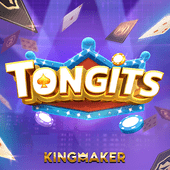
The locally supplied image identifies the Tongits catalogue entry; it is not a verified screenshot of a live hand. Artwork can help you recognize a listing, but it cannot establish the current layout, rules, card values, user controls, table availability, or settlement terms.
Tongits catalogue artwork
When the game opens, compare its displayed title with the listing you intended to view. Then inspect the rule sheet and any on-screen help before starting. If the interface is unreadable, a card status is ambiguous, or the available choices are unclear, do not continue until the issue is resolved.
For an image-based catalogue comparison, the related cards above show other listings, not a shared game engine. Their icons likewise should not be mistaken for gameplay captures.
When is it reasonable to open a Tongits table?
Consider opening Tongits only if you meet the applicable age and location requirements, can verify the rules and costs, and have a fixed entertainment budget that does not affect essential spending. If any condition is uncertain, wait or choose not to play.
Potential fit
- LEARNING
- You want to read a card game's instructions and understand its turn prompts before taking part.
- SHORT VISIT
- You have enough time to finish a hand and check its settlement without being interrupted or rushed.
- BOUNDARIES
- You can keep to a predetermined limit and treat the session as entertainment rather than income.
Reasons to pause
- UNCLEAR
- The live rules, permitted moves, or cost are missing or difficult to understand.
- PRESSURE
- You feel pushed to deposit, accept a promotion, play longer, or win back a previous loss.
- ESSENTIALS
- The planned stake could compete with bills, savings, borrowed funds, or another necessary expense.
If choosing to browse, keep your next step simple: review the live table information and do not proceed until you understand it. This guide does not verify operator licensing or promise that an account, table, offer, or payment method is available.
Check the live Tongits rules before taking part
Use the access button only when you are ready to check the current title and its conditions. Keep your budget fixed, decline anything unclear, and remember that every outcome remains uncertain.
Adults meeting applicable requirements only · no guaranteed resultsWhich Tongits questions matter most before you decide?
A useful player review starts with what can be checked, not with unverified praise or claims of guaranteed success. Use these questions to assess whether the table meets your needs and whether you can play within a personal boundary.
Can I understand each turn?
Look for readable controls, a clear turn marker, and an explanation of legal choices. Tongits should be paused if the interface does not make your next action understandable.
Can I verify the total cost?
Check all table terms before taking part and make sure any stake fits a preset budget. Do not assume a small displayed amount is the only relevant cost.
Can I review a completed result?
Find the hand summary or history and identify how to contact official support if the screen appears inconsistent. Keep relevant references private and never share credentials.
Does the pace work for me?
Think about whether you can give a hand enough attention without multitasking. If a fast prompt makes you rush, step away rather than clicking through.
Player experiences vary, so this is a review framework rather than a collection of invented testimonials. Evaluate Tongits against the live information and your own comfort; a positive interface impression cannot predict future outcomes.
What should you know before trying Tongits?
What is Tongits on this page?
Tongits is the name of a title listed in the okpkay cards category. Check the live game's own instructions to learn the exact version and table rules.
Does the listing confirm a Tongits Demo?
No demo or practice mode is confirmed by this listing. If the live interface clearly offers a practice option, use it only to learn controls; simulated results do not forecast paid play.
How can I learn the game's rules?
Open the current help or rule panel and read it before a hand. Confirm the turn sequence, permitted actions, costs, end conditions, and settlement. Do not infer a rule from the title alone.
Can strategy guarantee a win?
No. Careful reading may help you make informed decisions within the rules, but it cannot guarantee a result or remove uncertainty. Set a limit and do not chase losses.
What should I do if a hand is interrupted?
Check the game's status or record and follow the official support instructions before repeating an action. Keep transaction or hand references secure and never disclose your password or one-time code.
What are the key limits to remember about Tongits?
- The catalogue confirms the title and cards category, not a particular ruleset or table condition.
- Read live instructions for turn order, actions, costs, and how each hand settles.
- No strategy, demo, past hand, or promotional offer can guarantee the next result.
- Set a spending and time limit before play; do not borrow, chase losses, or use essential funds.
- Pause when rules or results are unclear, or when the session no longer feels manageable.
Gambling is for adults who satisfy applicable requirements and carries a risk of financial loss. If participation affects your wellbeing or responsibilities, stop and seek appropriate support. The most useful Tongits decision may be to wait until the rules and your boundaries are both clear.